
Packing List for Your Winter Sports Vacation by Air
From the Editorial Team

A winter sports vacation by plane requires different choices than a road trip. You have less space, you’re bound by baggage rules, and the very items you’ll need right away in case of cold weather, a delay, or a layover are the ones you don’t want to have to dig out from the bottom of a checked suitcase.
That’s why this packing list not only helps you figure out what to bring, but—more importantly—how to smartly divide your items between carry-on, checked luggage, and what you should wear on the day of your trip, along with tips for packing your suitcase efficiently. The list works whether you’re renting equipment at your destination or bringing some of your own winter sports gear.
Here's How to Pack Smarter for Snow, Airports, and Baggage Limits
Don’t start by just throwing things in haphazardly; start with your basic requirements: your airline’s baggage rules, the space available during your layover, and what’s already at your destination. When traveling by plane, you simply pack differently than when traveling by car. An extra pair of shoes or a few thick sweaters may seem like small items, but they immediately take up a lot of space and add significant weight in a lightweight suitcase. So decide early on whether you’ll bring your own skis, snowboard, boots, or helmet, or if you’d rather rent them. Once those major decisions are settled, the rest of your packing list will become much more realistic.
Next, pack for each stage of the trip: travel day, on the slopes, evening, and accommodations. This way, you’ll avoid packing duplicate outfits, since individual layers offer much more flexibility. Use fixed categories and keep them separate in storage compartments or compression packing cubes. This keeps thermal layers, socks, accessories, and toiletries organized, and makes it faster to grab what you need at the airport or after you arrive.
Carry-on, checked luggage, or already on your trip?
| Where? | What do you put in it? | Why there, of all places? |
|---|---|---|
| Carry-on bag or compact backpack | Travel documents, cell phone, charger, medication, wallet, lip balm, a spare set of underwear and socks, and possibly a thermal top | Everything you might need quickly during the flight or right after arrival stays within easy reach |
| Checked Baggage | Ski clothing, extra layers, toiletries, evening wear, bulky winter gear, and larger personal care products | These are usually the heaviest and least urgent items |
| Already on the road | Your sturdiest shoes, a fleece or midlayer, a jacket, and possibly a hat or neck warmer | Here's how to save space and weight without sacrificing comfort |
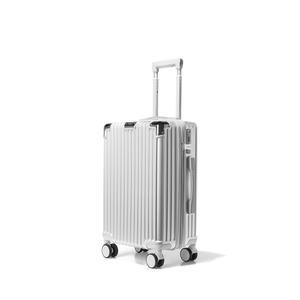
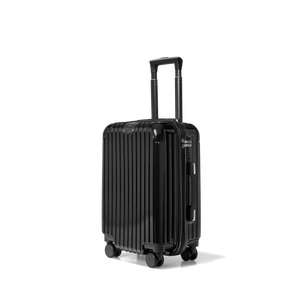
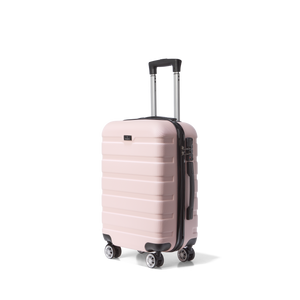
Are you traveling on snowy or wet sidewalks? Protect your suitcase from moisture and scratches with a clear or stretchy suitcase cover. If you’d like to choose a suitable option right away, check out our suitcase covers.
Clothes that keep you warm without taking up too much space in your suitcase
For a winter sports vacation by plane, the three-layer system works best. Instead of bringing lots of separate outfits, pack layers that you can mix and match: a base layer next to your skin, a warm mid-layer, and a protective outer layer against wind, cold, and wet snow. This way, you’ll travel lighter, stay more flexible in changing weather, and avoid filling your suitcase with bulky clothes you’ll only wear once.
- Bring two sets of thermal underwear: one to wear and one as a spare. Choose breathable fabrics over cotton, because cotton retains moisture and feels cold more quickly on the slopes.
- Pack one or two insulating layers, such as a fleece or a lightweight midlayer. This way, you can build up warmth without having to lug around multiple heavy sweaters that take up a lot of space and are often less practical.
- Bring one good ski jacket to wear as an outer layer. Make sure it offers protection from wind and snow and is sufficiently breathable, so you stay warm but don't get clammy during physical activity.
- A pair of ski pants is usually enough for the entire trip, as long as they're suitable for cold and wet conditions. Bringing an extra pair of pants often only makes sense if you're planning to ski for several days in a row and have limited opportunities to dry them.
- Pack three to four pairs of technical ski socks. They take up less space than extra sweaters, but they make a big difference in comfort. Avoid thick cotton socks, as they’re more likely to chafe and don’t wick away moisture as well.
- Bring one good pair of gloves or mittens, and—if your hands get cold easily—a thin spare pair or liners. That’s more useful than several pairs of fashionable gloves that aren’t designed for snow and moisture.
- A beanie and a neck warmer or buff are must-haves on your list. They’re compact, lightweight, and provide plenty of extra warmth on cold lifts, during transfers, and when you’re not wearing a helmet.
- For after skiing, two tops, one pair of comfortable pants or leggings, and one warm cardigan are usually enough. Choose clothes that can be mixed and matched so you don't need a different outfit for every night.
- It's best to keep underwear and sleepwear simple and lightweight. Quick-drying basics come in handy if you need to wash something or if wet clothes don't dry in time for the next day.
- On the day of your trip, wear your heaviest shoes and bring only one extra pair if you really need to—for example, for the hotel, the spa, or a walk. Shoes are often the biggest space-takers in your suitcase.
- Finally, set aside a small spare set: underwear, socks, a T-shirt, and possibly a thermal top. That set is worth its weight in gold if your luggage is delayed or if your first day on the slopes starts with wet clothes.
Ski gear: bring it, rent it, or leave it at home on purpose
The biggest benefit of a winter sports flying vacation usually comes down to your choices regarding equipment. Your own skis or snowboard feel familiar, especially if you travel often or prefer a consistent setup. At the same time, they add extra weight, extra costs, and more hassle at the airport. For a short trip, a first winter sports vacation, or a destination where you can easily rent gear, renting equipment on-site is often the most practical option. That way, you have less to lug around, and your regular luggage stays more organized.
So, consider what makes sense for each large item individually. Skis and snowboards take up the most space and are often subject to separate rules for sports equipment. Ski boots are personal and, for many winter sports enthusiasts, important for comfort, but they’re also heavy and cumbersome to carry. A helmet is relatively compact, but can also be rented at many destinations. What’s best depends on your airline, the weight allowance you’ve already used for regular luggage, the space available in your transfer, and how important your own gear is to you. If you arrange your rentals in advance, you’ll have a more relaxed departure and avoid having to improvise once you arrive.
One thing you definitely want to have covered on the slopes is visibility and protection. For many travelers, a helmet is a standard part of their gear. In addition, ski goggles or other good UV protection are important in bright light, wind, and snow. Only bring a compact backpack if you’ll actually use it while you’re out. It can hold, for example, water, your phone, a power bank, a thin extra layer, and a cloth to clean your goggles or screen. Keep that bag light; on the mountain, you’ll notice every unnecessary extra kilo.
Little extras are especially useful when they really add something. Think of water, a charged phone, and something small to keep your vision clear. That’s often all you need. Extra safety gear, such as avalanche equipment, is only relevant if you’re actually going off-piste or freeriding and know how to use that gear. If you’re sticking to marked trails, you don’t need to include it on your packing list as a matter of course. It’s precisely by consciously leaving behind what you won’t be using that you’ll keep your trip lighter, simpler, and less stressful.
Documents and reservations that you can prepare in advance at your leisure
A great winter sports trip often doesn't start with your suitcase, but with your document folder. Get everything together a few days before you leave.
- Have your passport or ID, airline tickets or boarding passes, and your accommodation confirmation ready so you won't have to look for anything on the day of your trip.
- Include transfer information, ski pass details, and any equipment rental vouchers. This will save you time after you arrive, especially if you have to head straight to your destination.
- Carefully review your insurance policy and specifically check whether winter sports, medical expenses, mountain rescue, and luggage are covered. Don't automatically rely on standard travel insurance alone.
- Save important documents both digitally and offline—for example, as a download or screenshot. This is useful if you have poor reception or an app doesn't open right away.
- Check in advance where your airline lists its rules regarding sports equipment, extra baggage, and weight limits. That way, you won't run into any surprises at the airport.
- Be sure to have your payment methods, emergency contacts, important phone numbers, and reservation numbers ready so you don't have to scramble to find them at the last minute.
The small essentials that really come in handy on a winter sports trip
It’s often the little things that determine how comfortable your trip feels. On a winter sports trip, you’ll have to deal with cold weather, sunshine, dry mountain air, and long days outdoors. With a compact, well-thought-out selection, you can avoid packing too much while still making sure you don’t forget anything essential.
- Be sure to pack sunscreen, lip balm, and a nourishing moisturizer. Even on cold days, the sun can be intense at high altitudes, and you’ll often notice the dry air more quickly than you do at home.
- Keep toiletries in compact, leak-proof packaging. For carry-on luggage, it’s best to pack only what’s allowed under the 2026 carry-on rules and put the rest in your checked luggage.
- Pack your personal medications separately and make sure you can grab them quickly. Include essentials such as blister bandages, regular band-aids, pain relievers, and something for muscle aches or headaches.
- A small first-aid kit doesn't have to be extensive. For a winter sports trip, a few band-aids, gauze, tape, and antiseptic are usually a practical starting point.
- Don't forget your chargers, cables, and maybe a power bank. Cold weather and using navigation apps drain your battery faster, especially if you're taking a lot of photos or looking up information while on the go.
- Ear warmers, hand warmers, a reusable water bottle, and a few quick snacks may be small, but they’re often surprisingly handy during transfers, while waiting, and on long days on the mountain.
- A pair of sunglasses for off the slopes, tissues, and a small laundry or storage bag for wet items will make your luggage just a little more practical without taking up much extra space.
- Finally, check what your accommodations already provide. You only need to bring flip-flops, swimwear, or a quick-drying towel if you're actually going to use them there or if they aren't provided.
The final check before you head to the airport
With this final check, you'll feel much more at ease as you set off.
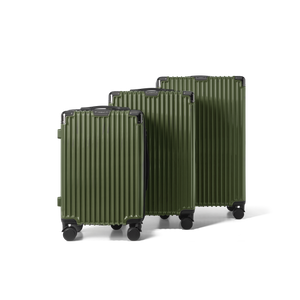
- Weigh and measure your luggage one more time, and make sure your carry-on, checked, and any sports equipment have been properly booked. Not sure about the right suitcase size? Check out the size for a 23 kg suitcase.
- Check in online, download your boarding passes, and set aside a "first 24 hours" kit in case your checked luggage is delayed.
- Go through your pre-departure checklist at home: windows and doors, heating, refrigerator, trash, pets or plants, and important phone numbers.
- Just before departure, check the weather at your destination, your transfer details, and any changes regarding your flight or luggage.
- Put your documents, wallet, and phone at the top of your bag so you can get through the airport without any stress.