Best packing cubes
The best packing cubes aren’t usually the most expensive ones, but rather the sets that are logically organized, open and close easily, and suit your travel style. Pay special attention to size variations, reliable zippers, and the right balance between light weight, durability, and—if applicable—compression. Standard packing cubes are especially useful for organization and quick access. If your main goal is to save space, a compression solution is a better option. A standard cube set and a Voyagoux VacuPack don’t solve the same travel problem. Use the tips below to make a smarter choice based on usage, quality, and real-world experiences. Or check out the Voyagoux packing cubes right away to choose the best set for your trip.
Why Packing Cubes Make Your Suitcase Neater and More Organized
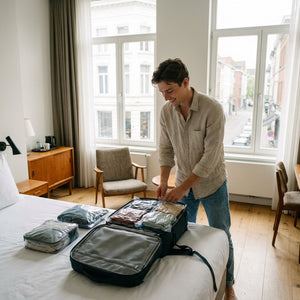
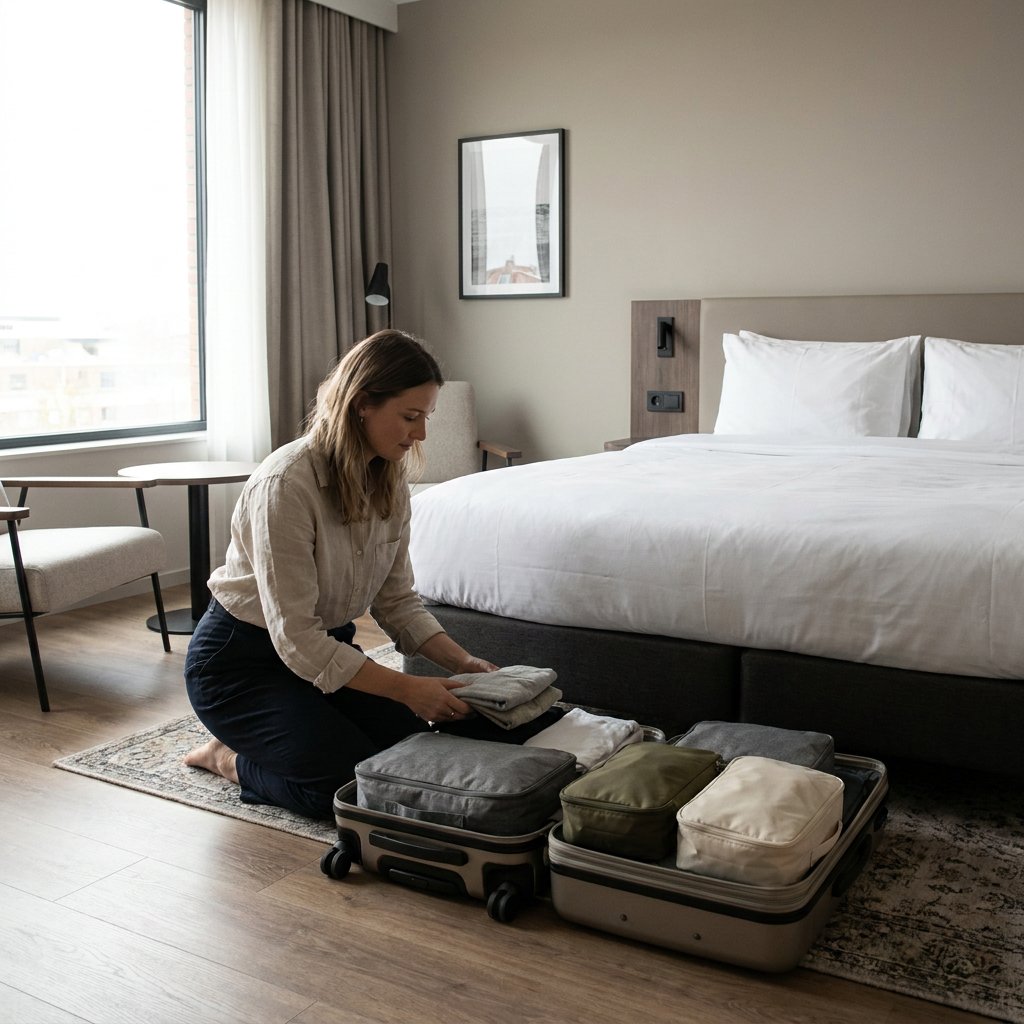
Packing cubes keep clothes and small items neatly organized by category, day, or person, so you spend much less time searching for things. You’ll notice this especially during road trips, city breaks, and multi-day trips where you often have to repack. Clean and worn laundry stay separated more easily, as do outfits for specific days. If you’re traveling with just a carry-on suitcase or changing accommodations frequently, the main advantage is simple: you just grab one cube without the rest of your suitcase immediately becoming disorganized and messy.
These choices make more of a difference than the brand on the label
Many sets look almost identical online, but there are often significant differences when you actually use them. The right choice depends on your travel style, the type of luggage you bring, and how much organization you prefer. So start by considering functionality and everyday convenience: how the cubes open, which sizes you actually use, and how light or sturdy they feel. Only then should you consider price and marketing claims.
Start with zippers, seams, and shape retention
A packing cube is only as good as the zipper you use every time. Strong, smooth-running zippers make opening, closing, and reorganizing much easier, especially if you’re repacking often while on the go. This is precisely where cheaper sets tend to fall short in practice: zippers get stuck more easily, seams feel less neatly finished, or the fabric sags faster. Dimensions aren’t always consistent either. That doesn’t necessarily make them unusable, but you’ll quickly notice the difference if you travel frequently. Also pay attention to how full you pack them. If you pack your cubes too tightly, you’ll put unnecessary strain on even sturdy zippers, making them less convenient to use. A set that stays functional for longer is often a smarter choice than simply going for the lowest starting price.
Choose sizes that distribute your clothing logically
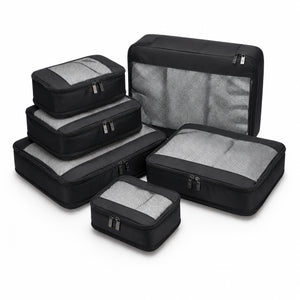
The most practical sets usually include a mix of small and medium-sized cubes. Small sizes are handy for underwear, socks, cables, or other accessories. Medium-sized cubes work better for shirts, tops, thin sweaters, or a complete outfit. Extra-large cubes may seem efficient, but they often make it harder to keep track of things: everything is in one place, and repacking takes more time. What’s best also depends on your luggage. In a carry-on suitcase, you’ll want to pack more tightly; in a backpack, it’s better to stack items less; and in a family suitcase, you can organize by person or by day. Match your choice to this suitcase size chart so that the cube sizes fit well with the right suitcase size.
Here's how to weigh the pros and cons of material, weight, and durability
Lighter fabrics are a smart choice when every kilo counts—for example, when traveling frequently by plane or facing strict carry-on limits. More expensive sets often offer a better balance between light weight and durability. However, a heavier set isn’t necessarily inferior: the extra weight might be due to sturdier panels or additional zippers. So choose based on your needs: as light as possible, or slightly more rugged for more intensive travel.
Regular or compression cubes: Which ones are right for your trip?
Compression cubes have an extra zipper that reduces the volume after packing. This is useful for bulkier clothing or small suitcases where every centimeter counts. The downside is that they often feel a bit stiffer and are less convenient if you need to grab or rearrange items frequently. Regular packing cubes are easier to organize and provide immediate access. If saving space is your main priority, a solution like the Voyagoux VacuPack makes more sense than a standard cube set. Read more here about compression packing cubes and when they offer the most benefit.
Use color and set design wisely
Color and set organization can make your routine surprisingly easier. For example, assign a specific color to each type of clothing, each day of your trip, or each person. This saves time at security, when switching hotels, and when repacking—especially if you also follow the tips in “Smart Suitcase Packing: 5 Tips.” So, as a beginner, don’t focus primarily on the set with the most cubes; instead, look for a set that fits how you normally organize your suitcase.
Quick Guide: Which Type of Packing Cubes Fits Your Travel Style?
| Travel Profile | Best type | When It Makes Sense to Pay More | A logical addition |
|---|---|---|---|
| First purchase for vacations and weekend trips | Standard set with small and medium-sized cubes | If you want neater zippers and better shape retention | A standard Voyagoux packing cube set is often the most logical choice here |
| Traveling Light with Carry-On Luggage | Ultralight cubes | When there are strict weight limits or frequent air travel | Pair it with a compact carry-on suitcase or backpack for quick access |
| Family vacations or longer trips | Standard set with a clear mix of sizes | If you repack frequently and have higher expectations for the fabric and zippers | Color codes for each person make things easier to follow |
| Limited space or thicker clothing | Compression cubes: a combination of organization and space-saving | When volume is more important than immediate convenience | A Voyagoux Vacupack is a smarter choice if saving space is your top priority |
How to Get the Most Out of a Packing Cubes Review
- Check to see if the reviewer provides precise information about dimensions, the number of cubes, the set’s contents, and the empty weight. Without that basic information, a comment like “it holds a surprising amount” is too vague to be truly useful.
- Compare only similar types with each other. A standard set, compression cubes, and ultralight cubes feel different to use and are designed for different purposes. So don’t compare a review of a compression set with a regular organizer set as if they were meant to do the same thing.
- Pay close attention to comments about how the zipper works. Statements like “the compression zipper is stiff when the bag is fully packed” or “the cube only opens halfway” are often much more valuable than a general comment that the quality feels good.
- Look for reviews based on real-world experience. Does the set fit comfortably in a carry-on suitcase, backpack, or large suitcase? Do the cubes still stack well in those situations? Details like these tell you more than individual product photos.
- See if anyone mentions how well the fabric holds its shape and how it feels. Very lightweight fabrics may lack structure, while extra-large cubes can actually be cumbersome in practice as soon as you take them out of the suitcase.
- Also find out if the reviewer often repacks during the trip. That makes a big difference: what seems convenient at home can become annoying on the road if opening, rearranging, and closing the bag takes too much time.
- Whether you're reading a Reismonkey packing cubes review or a review of another brand, always use the same checklist. That way, you'll evaluate practical usability more fairly and won't get too caught up in isolated claims or an enthusiastic first impression.
Handy travel accessories besides packing cubes
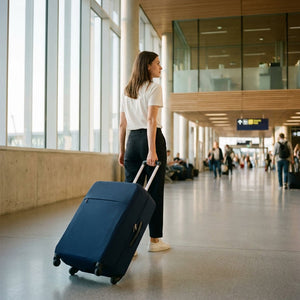
- A carry-on suitcase helps keep things organized: packing cubes often stay neatly in place inside it.
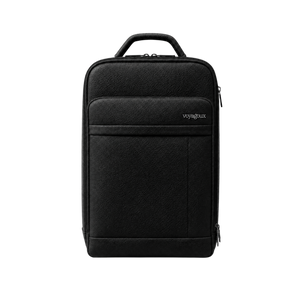
- A backpack is handy for items you want to be able to access quickly, such as documents, chargers, and an extra layer of clothing.
- A protective cover is especially useful for checked luggage; it solves a different problem than organization.
- Small travel accessories like organizers are handy for tiny items, but too many loose pouches can actually create clutter. If you’re looking for extra space rather than organization, consider a Vacupack instead of yet more organizers.
Good to Know
Our hard-shell suitcases have a built-in TSA lock.