Fill out the luggage tag
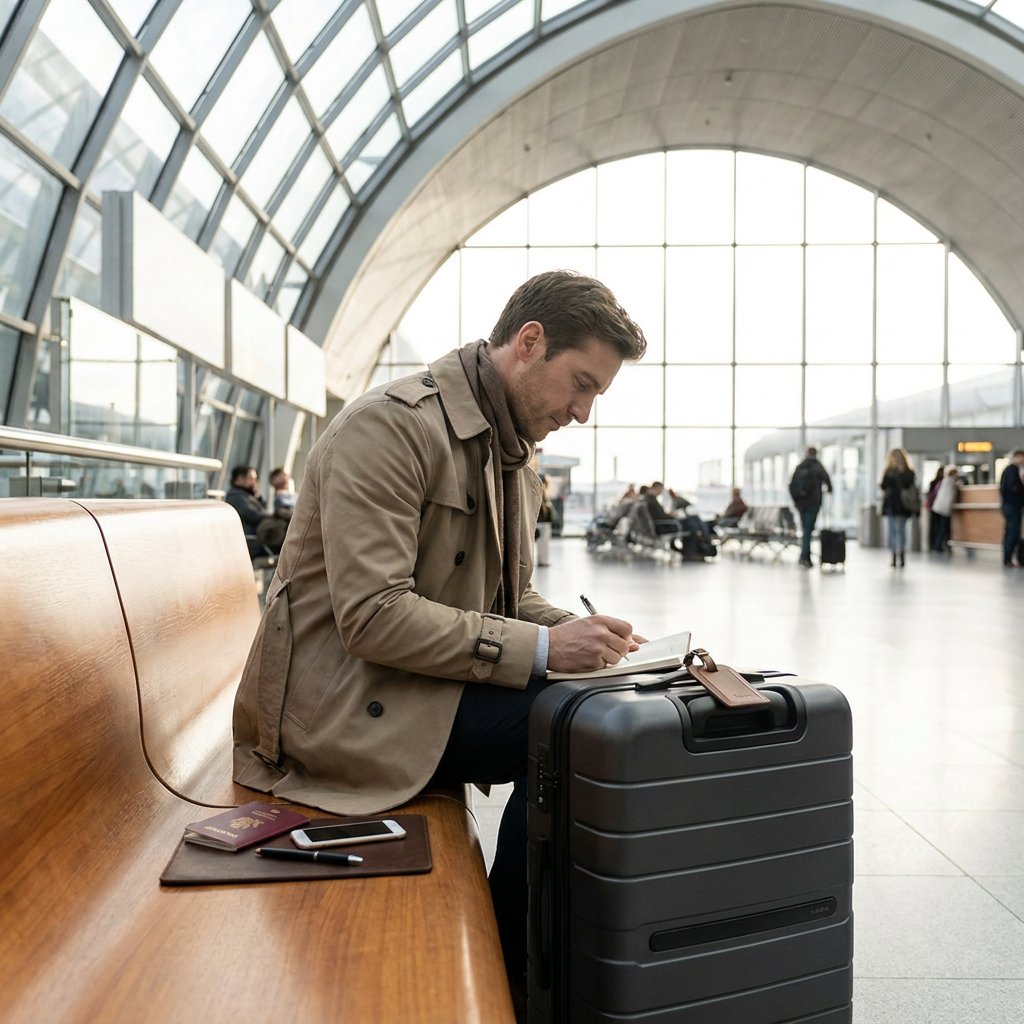
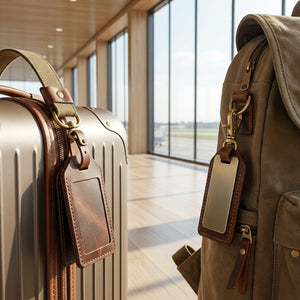
On a luggage tag, include only the information needed to contact you quickly: your name, a cell phone number with the country code, and, if applicable, an email address that you check while traveling. A full home address on the outside is usually not necessary. These labeling rules apply equally to suitcases, carry-on bags, backpacks, and duffel bags—even though separate carry-on rules will apply to items in the cabin starting in 2026.
Also, be aware of the difference between your own label and the airline's baggage tag. They look similar, but they serve different purposes and actually complement each other.
What should and shouldn't you put on a luggage tag?
The same basic rules apply to luggage tags and suitcase tags.
| Given | Advice | Why |
|---|---|---|
| Name | Please fill this out | Makes quick recognition and transfer easier. |
| Cell phone number with country code | Please fill this out | This is often the fastest way to reach you when you're on the go. |
| Email address | Please fill this out | Useful when you can't make a call. |
| Temporary address, additional contact person, or flight number | Only if it's useful on the days of travel | It can help, but it isn't required by default. |
| Full home address | I'd rather not have it on a visible outdoor label | Better for your privacy and less obvious that you're away. |
Why a Properly Filled-Out Tag Makes Your Trip Go More Smoothly
A good luggage tag does two main things: it helps you spot your luggage faster, and it makes it easier for others to contact you if a bag or suitcase goes missing. This is helpful when there are identical suitcases on the carousel, during a layover, if your luggage ends up on the wrong carousel, or if there’s a mix-up on a bus or plane—and it’s also good to know what to do if your suitcase goes missing. A backpack or smaller travel bag can also be left behind or taken by mistake. In addition, some airlines require identification on checked luggage or strongly recommend it. Would you also like to know how your insurance handles lost or delayed luggage? Choosing travel insurance: what does it cover for luggage?
Where is the best place to attach the label?
- Attach the label visibly and securely to the handle or a fixed loop so that it remains legible and does not come loose easily.
- Label each piece of luggage separately: not just your large suitcase, but also your carry-on suitcase, backpack, or travel bag.
- If you want more privacy, choose a label with masked information or a code or barcode solution—as long as someone can still reach you.
Luggage tags and check-in: here's the difference
Your own luggage tag contains your contact information. The airline’s luggage tag is used for routing and tracking within the check-in system. That’s why it’s best to attach your personal tag before departure, while the airline adds its tag at check-in or the baggage drop. This way, both tags complement each other. If your luggage becomes separated from you outside of that system, your own tag is often the most useful. Do you also want to secure your luggage properly? Here’s how to set up a TSA lock.
Stickers on your suitcase? Handy for easy identification
Yes, stickers on your suitcase can be useful for easy identification, especially at busy airports and during layovers. Do view them as a visual aid, not as a replacement for a luggage tag with your contact information. Never place stickers over an airline barcode, routing label, lock, or the attachment point for your luggage tag; otherwise, you’ll actually make your suitcase less practical to use. Also consider a suitcase strap with a TSA lock: it provides extra identification and security.
Don't have a label on hand? Here's how to quickly make a temporary one yourself
- Use a sturdy card, thick paper, or an old business card, and write only your name, cell phone number (including the country code), and email address on it.
- It's best to protect the card with clear tape or a small plastic sleeve so that the information remains legible.
- Secure it tightly with a string, key ring, or strong tape. Before you leave, the most important thing is that your luggage is easily identifiable; the Vacation Checklist: Don’t Forget Anything Before You Leave will help you remember this.
- If you want a neater and more durable version later on, you'll need sturdier material and a more precise finish than you would for a temporary label.
- While traveling, you can often still buy a new luggage tag or other travel accessories at the airport, in a travel shop, hostel, supermarket, or outdoor store.
Good to Know
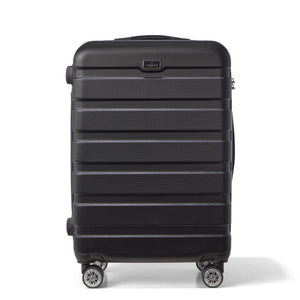
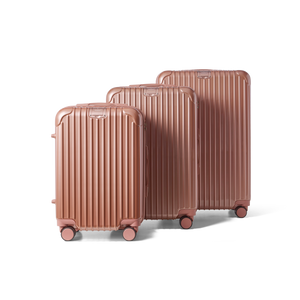
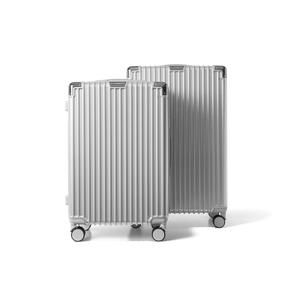
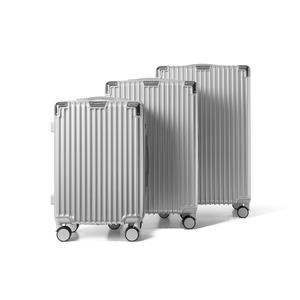
Our hard-shell suitcases have a built-in TSA lock.