 Excellent 4.5 | 3,000+ customers
 WebwinkelKeur



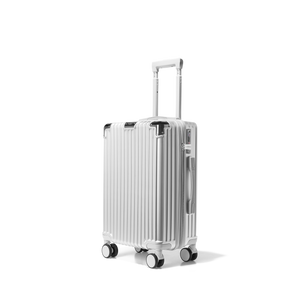
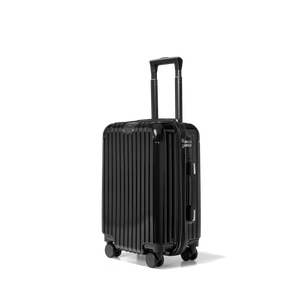
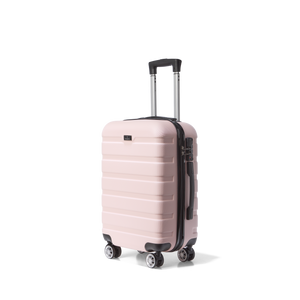
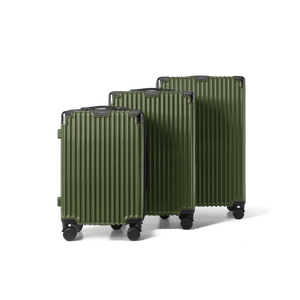

If you’re flying with Transavia, there’s one thing you’ll want to avoid above all else: hassle at the gate because your bag turns out to be just a little too big, too heavy, or not included in your baggage allowance. The most important rule is simple: only a small bag that fits under the seat is included as standard. If you want to bring a larger trolley or carry-on suitcase, you’ll usually need to purchase an extra carry-on baggage allowance.
Below, you’ll find a clear overview of the size restrictions, how many kilograms you’re allowed to bring, how often checks are conducted, and what’s best to do if you’re traveling with carry-on luggage only. This way, you’ll have a more relaxed departure, pack more efficiently, and reduce the chance of incurring extra fees at the airport.
The Most Important Rules at a Glance
For most Transavia bookings, these are the rules you should pay close attention to right away. In particular, the difference between free small carry-on luggage and paid extra carry-on luggage makes the biggest difference in practice.
| Type of luggage | Maximum dimensions | Seat on the plane | Weight | Important to Know |
|---|---|---|---|---|
| Small carry-on luggage | 40 x 30 x 20 cm | Under the seat in front of you | Up to 10 kg | Included as standard |
| Additional carry-on luggage | 55 x 40 x 25 cm | In the overhead compartment above you | Together with your small bag, a maximum of 10 kg | Usually booked separately or included in certain packages |
| Separate Additional Items | Not as clearly defined as with a bag | In the cabin | Within reasonable limits | Think of an umbrella, a walking stick, or one bag with duty-free purchases |
Please note: Dimensions are measured including wheels, handles, and other protruding parts. Also, always check your own booking, as packages and terms and conditions are subject to change.
Free to bring in the cabin: the small bag under your seat
How big can your free bag be?
Transavia’s free carry-on allowance is intended for a small bag or personal item. The maximum dimensions are 40 x 30 x 20 cm, and the bag must fit completely under the seat in front of you. If you’re wondering which backpack is best for flying, a compact backpack, handbag, laptop bag, or small weekend bag is usually a good choice. A soft bag is often more practical than a hard suitcase, since it slides neatly under the seat more easily without pushing the size limit.
The weight limit is 10 kg. If you’re traveling with just this one bag, it can weigh up to 10 kg. That sounds generous, but in practice, size is usually more of an issue than weight. A bag that’s too thick or overpacked is more likely to be rejected than a lightweight bag with the wrong external dimensions.
What does Transavia mean by “accessory”?
Many travelers search for “accessories” or “extra items,” but don’t assume that you’re automatically allowed to bring multiple separate bags for free. The small bag measuring 40 x 30 x 20 cm is, in fact, your personal item. In addition, there are a few exceptions that are usually allowed, such as an umbrella, a walking stick, or one bag containing duty-free items.
So, if you’re only allowed one free carry-on bag, it’s best not to bring a handbag, a laptop bag, and a separate shopping bag all at once. In practice, that’s exactly what causes the most arguments when boarding.
Booking Additional Carry-On Baggage: When a Trolley Is Allowed
Is a trolley considered carry-on luggage on Transavia?
Yes, but not as free carry-on luggage. A trolley or carry-on suitcase is usually too large for the standard dimensions of 40 x 30 x 20 cm. If you still want to bring it into the cabin, you’ll need to book an additional carry-on bag or have a reservation that already includes this. If you’re not sure which model is suitable, check out the best carry-on suitcases.
Additional carry-on luggage is generally limited to a maximum size of 55 x 40 x 25 cm. This bag or suitcase goes in the overhead compartment above your seat. This is often the most convenient option for a weekend trip, city break, or short business trip, because you can pack more without having to book checked luggage right away.
How many kilograms can a carry-on suitcase weigh?
One important detail is that the combined weight of your small bag and your additional carry-on luggage is usually limited to a maximum of 10 kg. So a larger carry-on suitcase doesn’t automatically mean you’ll have more weight allowance. That’s why you should preferably choose a lightweight trolley or carry-on suitcase, so you’ll have more space left for your belongings.
Please also keep in mind that space for larger carry-on bags is limited. It’s a good idea to book in advance if you want to be sure there’s room in the cabin. Extra carry-on baggage often comes with Priority Boarding, which allows you to board earlier and gives you a better chance of finding space in the overhead compartment.
How strict is Transavia about carry-on luggage?
Transavia can be quite strict when checking carry-on luggage, especially on busy flights or when a bag looks visibly large. Not every traveler is checked as thoroughly, but it’s unwise to take that chance. If your bag doesn’t fit in the sizer or is clearly too heavy, it may still have to be checked and you may be charged a fee.
In practice, a soft-sided bag offers a little more leeway than a hard-sided suitcase, but only if it stays within the allowed dimensions without having to be pushed or stuffed. A bag that fits only when empty but suddenly becomes much bulkier once packed often causes problems.
- Always measure the exterior dimensions, including wheels and handles.
- Don't weigh your bag until it's fully packed.
- Make sure your free bag actually fits under a seat.
- Don't bring multiple loose bags without anyone noticing.
- If you're unsure, book extra carry-on luggage in advance.
What happens if your bag is too big or too heavy?
If your carry-on luggage does not meet the requirements, Transavia may ask you to check it as checked baggage. This may incur additional fees, especially if it is discovered only at the airport or at the gate. That is usually more expensive and less convenient than booking the correct option in advance. In addition, you may lose items along the way that you specifically wanted to keep with you, such as chargers, documents, or medications.
What else can I bring into the cabin?
In addition to the size and weight restrictions, there are also specific rules regarding what you can pack in your Transavia carry-on luggage. These rules are very similar to the carry-on rules for 2026 and are important if you want to get through security smoothly.
- Liquids may be carried in containers of up to 100 ml, usually together in one clear, resealable bag with a capacity of up to 1 liter.
- It's best to keep electronics such as laptops, phones, and power banks in your carry-on luggage, not in your checked luggage.
- It's best to keep medications, travel documents, keys, and valuables in your small bag under the seat.
- Items you purchase after going through security, such as duty-free items, are usually allowed in the cabin as separate carry-on items.
- Separate terms and conditions may apply to strollers, medical devices, and baby items, depending on the booking or route.
If you're unsure about a specific item, such as an electric razor, a camera battery, or baby food, always check the airport regulations as well. This is because security regulations and aviation regulations sometimes overlap.
Packing Smartly Within Transavia's Size Limits
Traveling with only carry-on luggage becomes much easier if you pack compactly. It’s best to choose a bag that’s lightweight on its own and has clearly marked exterior dimensions. That way, you’ll avoid any surprises when your bag is measured. Especially with Transavia, compact backpacks or under-seat bags are often more convenient than a hard-sided suitcase that’s right at the limit.
- Roll your clothes instead of stacking them.
- Wear your thickest shoes and coat during the flight.
- Limit toiletries to travel sizes.
- Use small organizers or packing cubes to save space.
- Leave a little slack so your bag doesn't bulge.
For a short trip of one or two nights, 40 x 30 x 20 is usually enough. If you’re traveling for a longer period, bringing winter clothes, or want to pack extra shoes, additional carry-on luggage is usually a more convenient option—for example, our carry-on-sized suitcases (small).
Frequently Asked Questions About Transavia Carry-On Baggage
What are Transavia's new carry-on baggage rules?
The basic rule is that a small bag measuring 40 x 30 x 20 cm is included as standard and must fit under the seat. If you want to bring a larger trolley or carry-on suitcase, you’ll usually need to purchase an additional carry-on baggage allowance. The larger bag can generally measure 55 x 40 x 25 cm, and the combined weight of both pieces is usually limited to a maximum of 10 kg.
How much does 10 kg of carry-on luggage cost on Transavia?
The fee for an additional 10 kg of carry-on baggage varies by route, season, and when you book. So there is no fixed fee that applies in all cases. If you want to bring a trolley or carry-on suitcase, it’s usually cheaper to add it online in advance than to arrange it at the airport.
How strict is Transavia regarding carry-on luggage?
This can vary by flight, but obvious violations are quickly noticed. In particular, a hard-shell suitcase that’s too wide, an overpacked backpack, or multiple loose bags are more likely to be inspected. If your luggage stays neatly within the size limits and isn’t too heavy, you’ll usually get through without any problems.
What if your carry-on bag is 1 cm too big?
Even 1 cm can, in theory, be too much. In practice, a lot depends on the type of bag and whether it fits in the sizer. With a soft-sided bag, there’s sometimes a little more leeway, but not with a hard-sided suitcase. So don’t count on leniency. If you’re right at the limit, booking extra carry-on luggage in advance is often the safest choice.
Can I bring a backpack as carry-on luggage on Transavia?
Yes, you can bring a backpack as carry-on luggage, as long as it meets the size requirements. To qualify for free carry-on luggage, your backpack must be no larger than 40 x 30 x 20 cm and fit under the seat. If the backpack is larger, it will only be considered extra carry-on luggage if you’ve purchased that option.
Do the dimensions include the wheels and handles?
Yes, Transavia takes the external dimensions into account. This means that wheels, handles, pockets, and other protruding parts are included in the dimensions of your bag or suitcase.
Is 40 x 30 x 20 enough for a weekend getaway?
For many travelers, yes—especially on a city trip or a short business trip. With lightweight clothing, travel-sized toiletries, and cleverly folded outfits, you can go surprisingly far. For winter trips, long weekends, or trips where you need extra shoes and electronics, a larger carry-on suitcase is often more convenient.
Which is smarter: just carry-on luggage or checked luggage after all?
That depends on your trip. Traveling with just carry-on luggage is fast, flexible, and often more affordable if you’re going away for a short time. Checked luggage makes more sense if you’re traveling for a longer period, bringing heavy items, or don’t want to worry about size and weight restrictions. If you’re torn between a small bag and a suitcase, take an honest look at what you’ll really need at your destination.
If you want to travel as stress-free as possible without any hassle at the gate, choose a bag or carry-on suitcase with clearly marked exterior dimensions, a low weight, and an interior layout that makes it easy to pack compactly. Not only does this make traveling more pleasant, but it also helps you use Transavia’s carry-on rules to your advantage.