Keeping Your Passport Safe While Traveling
Keeping your passport safe while traveling starts with one simple choice: always keep it in one fixed, lockable spot where you can find it without even looking. It’s precisely loose compartments, back pockets, seat pockets, and “quickly tucking it away” that cause the most stress, because then, during busy moments, you’re no longer sure where it is.
In addition, always make a paper copy and a digital backup before you leave—for example, as part of your vacation checklist. It takes very little time, but it helps immensely if your passport is lost or stolen. Whether you need to carry the original with you every day depends on your itinerary and local regulations. For a typical day in the city, storing it in a secure safe is often a smarter option, whereas on days when you’re crossing borders, checking in, or undergoing official inspections, you may actually need the original document.
The smartest basic rule: one designated spot for your passport
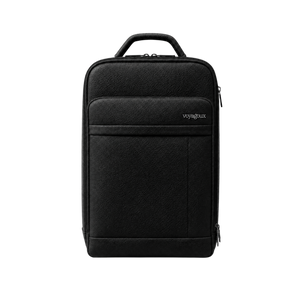
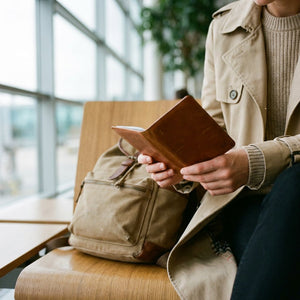
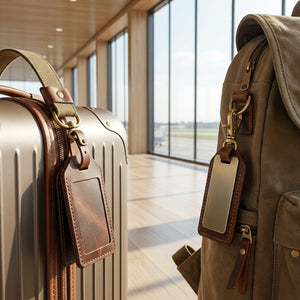
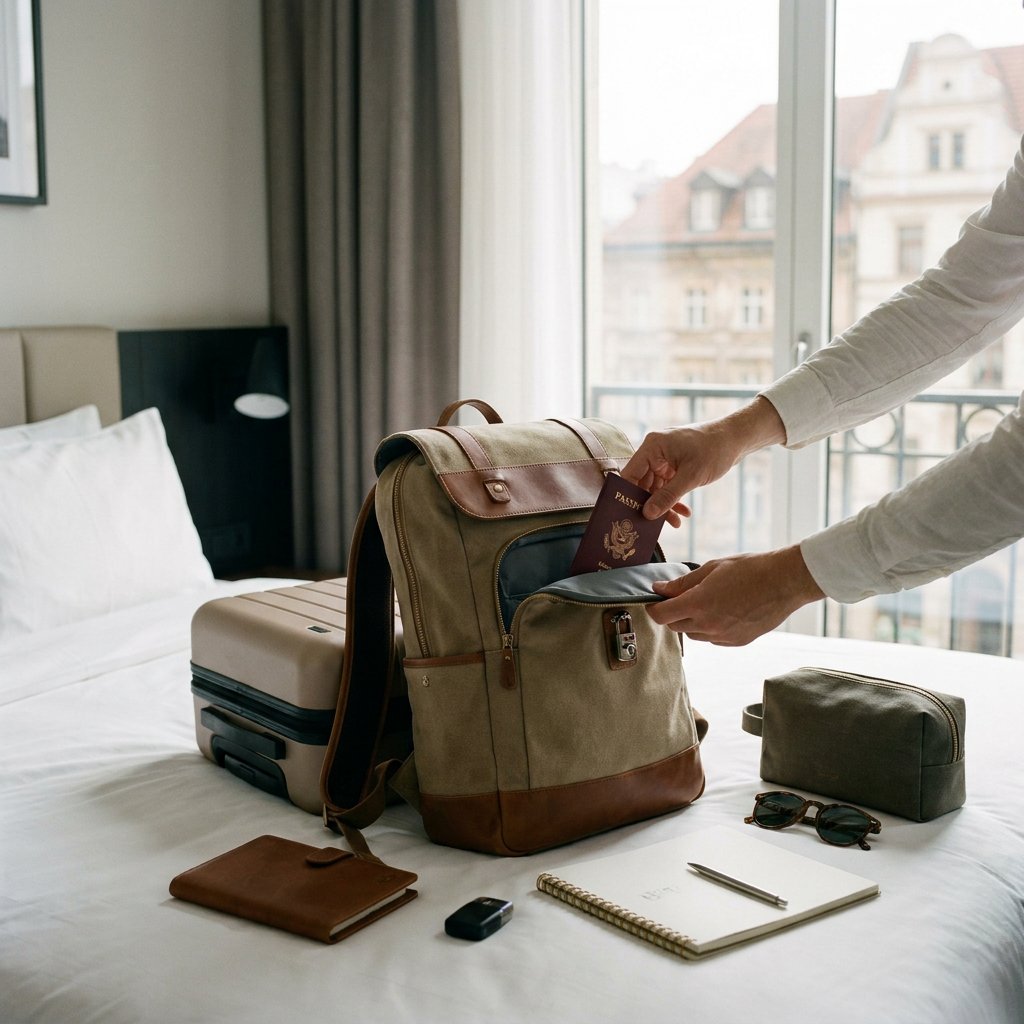
The best way to keep your passport safe while traveling is surprisingly simple: choose one fixed spot for your documents and stick to it. Think of a lockable inner pocket in your backpack, underseater, or crossbody bag, or a document pocket close to your body. The most important thing isn’t which pocket you choose, but that you always use the exact same one. This prevents your passport from getting lost among cables, receipts, snacks, and other everyday items. Backpacks with secure closures and hidden pockets, such as the Voyagoux IDLatch backpacks, make this extra easy.
It’s best not to keep your passport together with your main wallet, your most important debit card, and most of your cash. If everything is in one place, the consequences of loss or theft will be severe. It’s safer to spread things out: keep your passport in one fixed spot, distribute your payment methods, and store a backup card or emergency funds separately.
Keep your system as simple as possible. When traveling, you make a lot of decisions while you’re in a hurry, tired, or quickly switching between gates, platforms, or terminals. That’s exactly when a complicated storage system works against you. If you first have to open three zippers, two covers, and a separate folder, you’re more likely to get disorganized along the way or leave your documents behind somewhere.
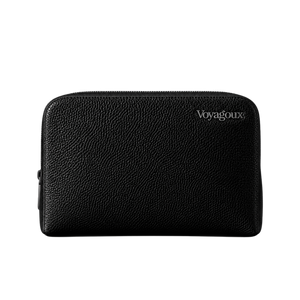
Additional tools can be helpful, but they don’t replace your routine. A passport cover can protect against wear and tear and make the document easier to spot. Some travelers also opt for RFID protection or a tracker in their bag. That can provide extra peace of mind, but the key remains the same: one fixed spot, every single time, and consciously checking after every security check to make sure your passport is safely back in place. If you want extra physical security, consider an anti-theft backpack with a fingerprint lock; this will prevent unauthorized access to the compartment where your passport is stored.
Before departure: Make copies, create backups, and prepare emergency contact information
- Make at least one paper copy of the information page and keep it separate from your original passport—for example, in a different bag or suitcase.
- Also, make sure you have a digital backup that you can securely access while abroad, such as in a secure cloud folder or an encrypted note with offline access.
- Write down your passport number separately from the passport itself, along with your insurance provider's contact information, an emergency contact, and the nearest embassy or consulate.
- Yes, it's a good idea to bring a copy with you on vacation, but don't rely on it as a permanent replacement for the original. You may need the actual document for identification, border crossings, or official procedures.
- Do not share a complete, unredacted scan or photo of your passport by default. Share only what is absolutely necessary, and redact other information whenever possible, such as your social security number or other irrelevant details.
It's best to avoid these storage locations
| Unsafe place | Why is it risky? | A safer alternative |
|---|---|---|
| Back pocket | It's easy to steal, can fall out while you're sitting or getting out of the car, and you often don't notice right away that it's gone. | A lockable interior pocket that sits close to your body. |
| Outer pocket of a backpack or bag | Easily accessible to pickpockets and particularly vulnerable in crowded lines and on public transportation. | A hidden or lockable interior pocket that is not immediately visible. |
| Unrestricted in the major | It gets buried under other stuff easily and slips out when you reach for something else. | A fixed document pocket or a separate sleeve in a specific inner pocket. |
| Regular wallet | You tend to take your wallets with you often, are more likely to leave them behind somewhere, and they’re a popular target for theft. | Keep your passport and everyday payment methods separate. |
| Seat compartment on an airplane, train, or bus | This is often overlooked when getting off the plane, especially after a nap, when you're in a hurry, or after a gate change. | Put your passport right back in its usual spot as soon as the inspection is over. |
| Checked Baggage | It's not directly under your control and can be hard to access when you unexpectedly need to show identification. | Always carry your passport in your carry-on luggage or on your person. |
| Carry-on luggage out of reach | In a luggage compartment or somewhere in the back, you can't easily see what's happening to it, and you can't reach it right away. | A small bag or document pouch that you carry with you. |
| Everything together in one pencil case | If that one place disappears, you'll lose your passport, money, and backup cards all at once. | Spread out your documents, cash, and spare keys among several safe locations. |
On the Go: How to Prevent Loss and Theft During Peak Travel Seasons
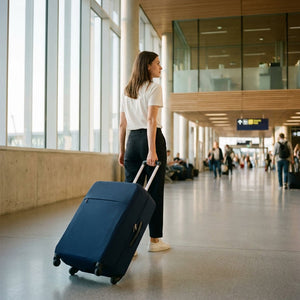
Most problems don’t arise when you’re sitting quietly in a hotel room, but while you’re on the go: at airports, train stations, border crossings, and during layovers. Those are the moments when your attention gets scattered. You’re keeping an eye on screens, tickets, children, carry-on luggage, lines, and time constraints all at once. That’s exactly why it’s smart to take out your passport only when it’s almost your turn, and to put it back immediately after inspection in the designated spot you’ve chosen in advance.
Be especially careful just before and immediately after every document check. Many travelers focus on showing their passport but not on putting it away safely afterward. As a result, it remains in their hand, on a counter, on top of a suitcase, or among other papers for a moment. Make it an automatic routine: show it, put it back, zip the bag closed, and only then continue through. Those few seconds make a big difference.
Security bins are a classic spot where items get lost. That’s where you place your phone, wallet, belt, passport, and sometimes even a jacket—all separately. So don’t just “quickly” tuck your passport in among your other loose items; instead, deliberately place it in a spot you’ll recognize and be sure to retrieve it as one of the first things after you go through the scanner. Also, check right away to make sure the document is back in the correct compartment before you put your shoes back on or repack your laptop.
Boarding gates and lines are other moments when routine breaks down. People are moving through the line, staff are asking for boarding passes, someone bumps into you, and you’re focused on the next screen or instruction. That’s also when pickpockets or scammers strike by using distractions, fake offers of help, or the hustle and bustle of the crowd. Keep your bag or anti-theft backpack closed, don’t let anyone “help” you with your documents without asking, and stay alert if someone deliberately distracts you at a kiosk, security gate, or ticket counter.
Changing taxis and short transfers also require attention. You get out, grab your suitcase, look up an address, and pay. If your passport is still loose in your hand, jacket pocket, or overhead compartment at that point, it’s easy to forget it. The same goes for when you doze off on a train, bus, or plane. When you’re tired, you’re less careful. So before every departure, take a moment to go through your usual routine: phone, wallet, passport, luggage.
If you have to show your passport frequently, choose a way to carry it that allows you to access it without immediately exposing all your other valuables. A small, lockable compartment on the inside of your bag often works better than a deep main compartment full of loose items. That way, you won’t have to rummage through your bag, you’ll reveal less of what you’re carrying, and you’ll reduce the chance of dropping or forgetting something.
At your destination: leave it in the safe or take it with you?
Once you’re at your destination, the smartest choice often depends on your daily schedule. For a typical day in the city, a museum visit, or a meal on a sidewalk café, it’s often safer to keep your original passport in a secure hotel safe or another secure storage location while carrying a copy with you. This reduces the risk of losing your most important travel document amid the hustle and bustle of sightseeing, shopping, or a spontaneous stop.
However, a copy isn’t always sufficient. Be sure to bring your original passport with you on days when you’ll be crossing borders, checking into hotels, handling rental car paperwork, or in other situations where official identification may be required. In some countries or regions, local regulations may also require you to present your original passport. Therefore, be sure to check this in advance, rather than assuming there’s a single general rule that applies to every destination.
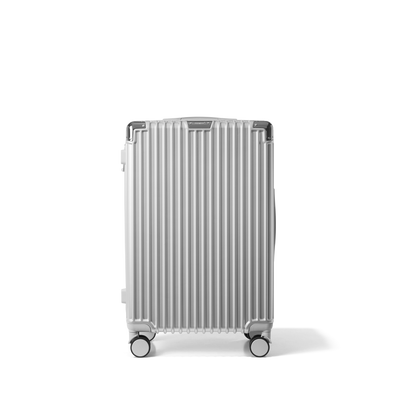
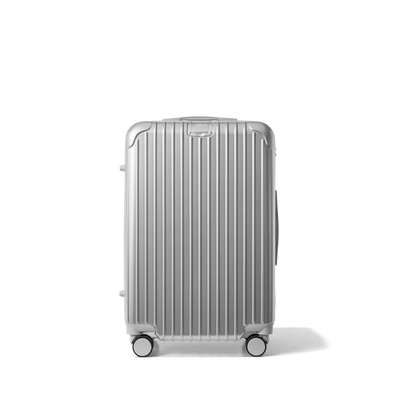
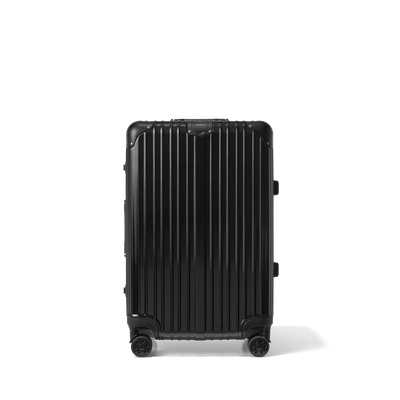
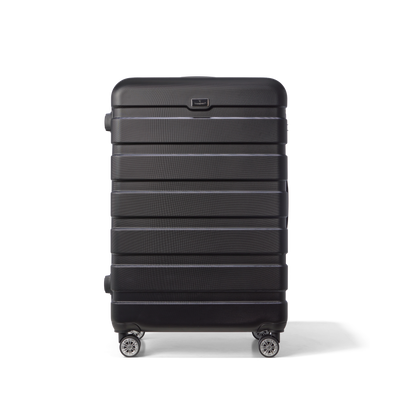
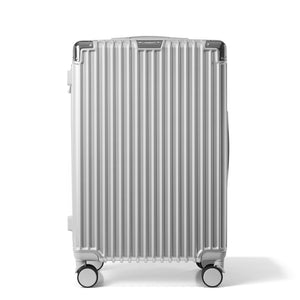
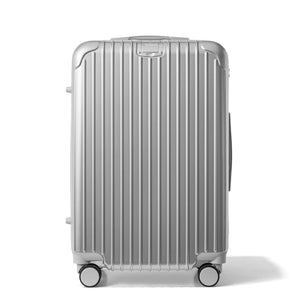
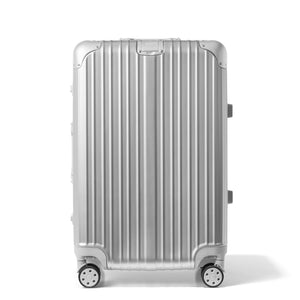
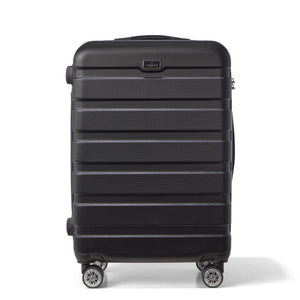
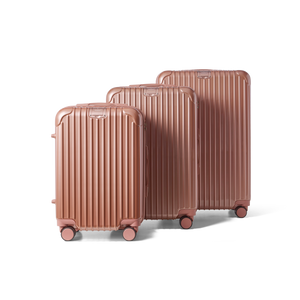
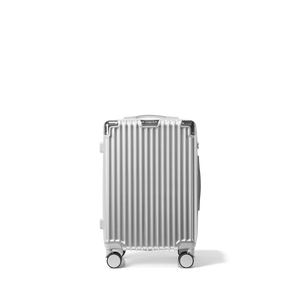
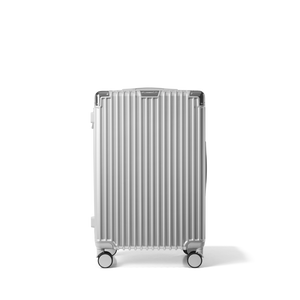
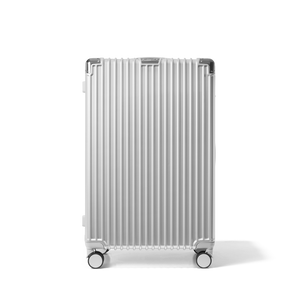
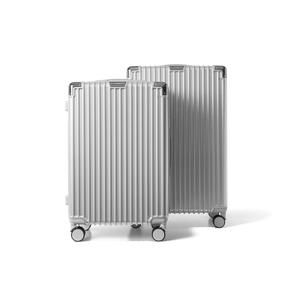
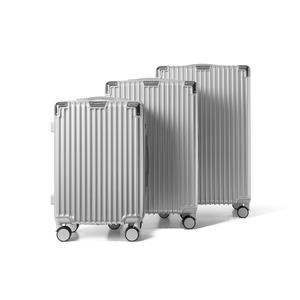
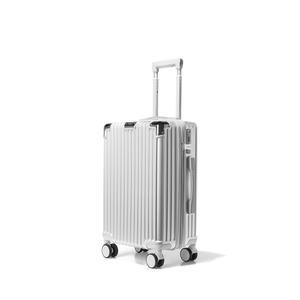
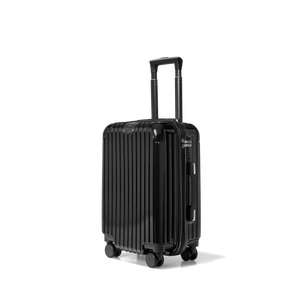
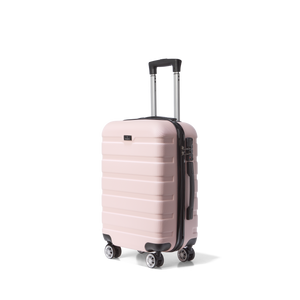
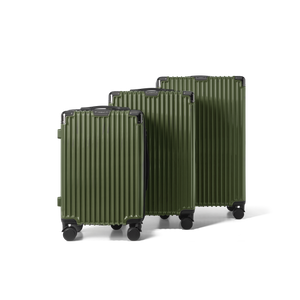
If your room doesn’t have a safe, take a critical look at alternatives. Storage at the front desk may be an option, but don’t automatically hand over your passport without understanding how the storage works, who has access to it, and how you’ll get it back. A locked solution that you control yourself is usually preferable to an informal drawer or open shelf behind the front desk. Alternatively, you can temporarily store your passport in a locked suitcase; preferably choose suitcases with a TSA lock. Be sure to set your code carefully using this guide for setting the lock on your suitcase.
Also base your decision on the type of day. If you’re going to the beach, a festival, or out for the evening, the risk of losing your passport increases due to water, crowds, alcohol, or frequently switching clothes and bags. On days like these, it’s often not a good idea to carry the original document with you, unless it’s absolutely necessary. On a transfer day or a day with an early check-out and a new check-in, it might actually be more convenient to keep your passport with you at all times, since you may need it multiple times.
Are you unsure? Then don't choose based on a hunch, but on practicality: Am I likely to need the original today, and do I have a truly safe place to leave it? By weighing these factors, you'll usually make the most sensible and safest choice.
Lost your passport while traveling? Here's what to do right away
- Report any loss or theft to the local police or the appropriate authority as soon as possible, and always ask for written proof or an official report.
- Contact the nearest embassy or consulate immediately. A copy of your passport, your passport number, and an additional form of identification often help speed up the process.
- Please keep in mind that an emergency document is usually intended to allow you to continue your trip or return home, not necessarily to ensure that your entire itinerary proceeds as planned.
- Be sure to notify your travel insurance provider and put your backup plan into action: having emergency cash, an extra debit card, and emergency contacts can significantly limit the impact of a loss.
Good to Know
Our hard-shell suitcases have a built-in TSA lock.