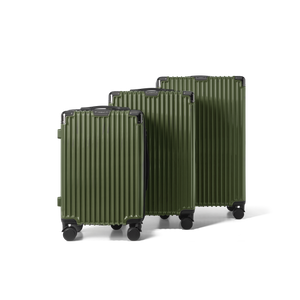
Is a TSA lock required?
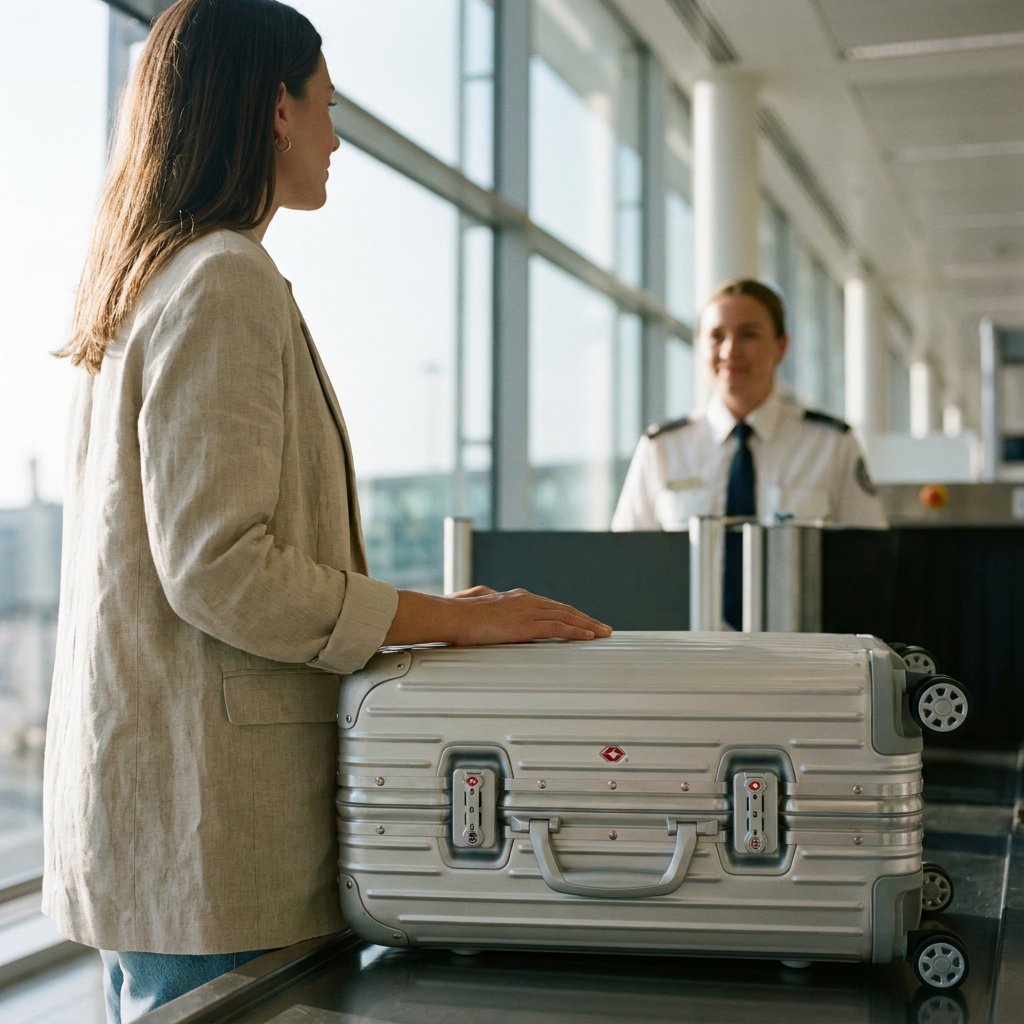
No, a TSA lock isn’t required for every flight. However, if you’re traveling to or through the United States, it’s a very wise choice and is often considered the standard for checked luggage. The main advantage is simple: security personnel can open your suitcase for inspection without damaging the lock or zipper. That makes traveling just a little bit more worry-free.
A quick answer for your next flight
For most trips within Europe, a TSA lock isn’t required. Still, it can be useful if your luggage is inspected or if you want extra peace of mind while traveling. For flights to the U.S., the situation is different: there, checked luggage may be opened at random by security. If you don’t have a TSA lock, there’s a chance that a regular lock will be forced open if your suitcase needs to be inspected.
Not sure? Then you’re better off choosing a TSA lock. It’s a small feature that can save you a lot of hassle, especially when you check your suitcase. So it’s helpful to know: How do I set up a TSA lock?
What a TSA lock actually does
A TSA lock is a luggage lock that can be opened by authorized security personnel using a special key and then securely locked again. You simply use your own combination or key, but the universal TSA access is intended for inspections. So you won’t receive that special key.
The difference from a regular travel lock is mainly practical. Read more: TSA Lock vs. Combination Lock: What’s the Difference? A standard lock also protects your suitcase, but it can be broken open during an inspection. A TSA lock, on the other hand, is designed to help prevent damage. You can usually recognize it by the Travel Sentry logo on the lock or in the product information.
Traveling to the U.S. and Other Countries
To or through the United States
If you’re traveling to the U.S. or transiting through a U.S. airport, a TSA lock is the safest choice for checked luggage. See also : Traveling to the U.S.: What to Keep in Mind When Preparing for Your Flight. Many travelers search for “is a TSA lock required” because they want to prevent their suitcase from being damaged during security screening. That’s exactly why this type of lock is so often recommended: security personnel can open the suitcase without cutting or forcing it open.
Other countries where it might be a good idea
A TSA lock can also be useful outside the U.S. Countries such as Canada, Israel, Japan, and Australia are often mentioned in connection with TSA-compliant security checks. That doesn’t automatically mean it’s required by law everywhere, but it does mean the system can be useful in more places. Always check the current rules of your airline and airport before departure, as procedures are subject to change.
Should you lock your suitcase before going through customs or on the plane?
Locking your suitcase isn’t usually required, but it’s a good idea. A lock helps prevent unauthorized access while you’re traveling and gives you extra peace of mind when your luggage is checked, moved, or temporarily out of sight. You don’t have to leave your suitcase unlocked for customs or security checks if you use a TSA lock. In fact, that’s when the inspection can be carried out without damaging the suitcase.
If you're flying with only carry-on luggage, a lock isn't as important as it is for checked luggage, but it can still come in handy during layovers, train trips, or hotel stays.
How can you tell if a lock is a TSA lock, and which suitcases have them?
You can usually recognize a TSA lock by a small red Travel Sentry diamond logo or by a clear indication in the product specifications. Many modern hard-shell suitcases have a built-in TSA combination lock. For soft-sided suitcases, travel bags, or backpacks, a separate TSA padlock or cable lock is more commonly used.
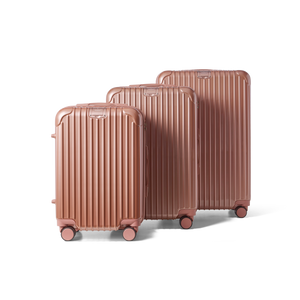
If you’re looking for convenience, a suitcase with a built-in TSA lock is often the best choice. That way, you don’t have to carry a separate lock, and the whole thing looks sleek and practical. When comparing suitcases, don’t just look at the design—also consider the type of lock, the size, and whether the suitcase is suitable for your type of trip. For Voyagoux models, you’ll also find help with setting the lock for Odos and Horizon suitcases.
Frequently Asked Questions
Can I travel to the United States without a TSA lock?
Yes, that's possible. However, with checked luggage, there's a higher risk of damage if your suitcase has to be opened for inspection. That's why many travelers opt for a TSA lock when flying to or through the U.S.
Does my suitcase come with a TSA key?
No. You unlock it using your own code or key, depending on the model. The special TSA key is intended only for authorized security services.
Is a separate TSA lock just as good as a built-in TSA lock?
It does, though, for the security check. Both are designed to allow you to open your luggage without damaging it. A built-in lock is often neater and more convenient on a suitcase, while a separate TSA lock offers more flexibility for bags, backpacks, or older suitcases without a built-in lock.
What if my suitcase doesn't have a TSA lock?
In that case, you can use a separate TSA lock, provided your suitcase is compatible with it. If your luggage doesn't have a proper place to attach a lock at all, a suitcase with a built-in TSA lock is often the most practical solution for future trips. For additional help, you can also check out the frequently asked questions.
Good to Know
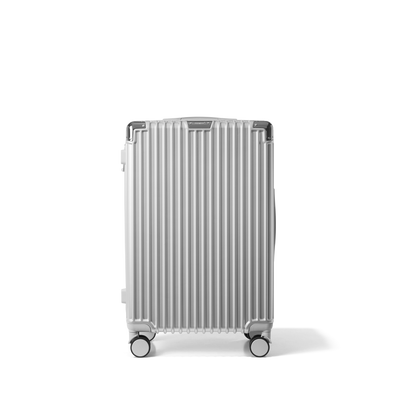
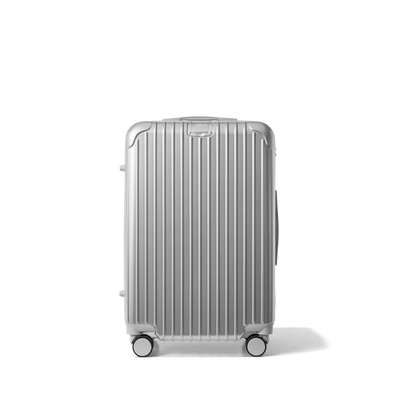
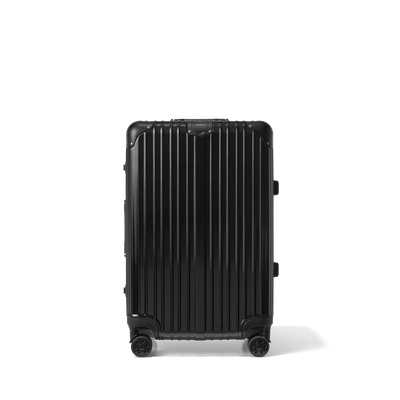
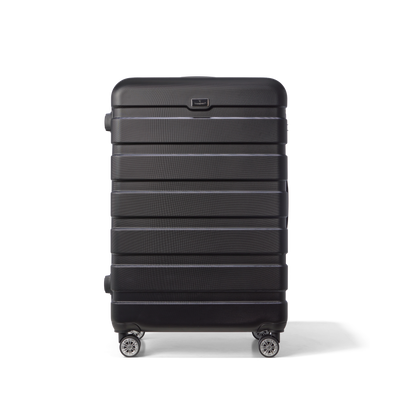
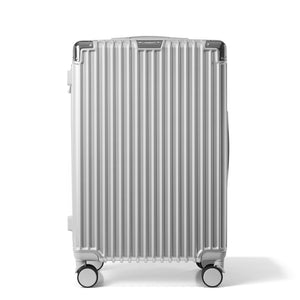
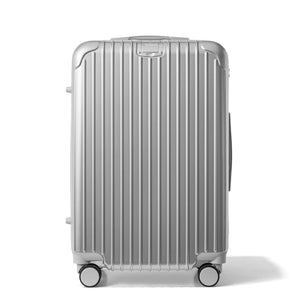
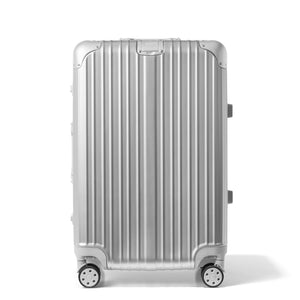
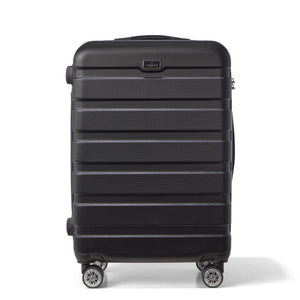
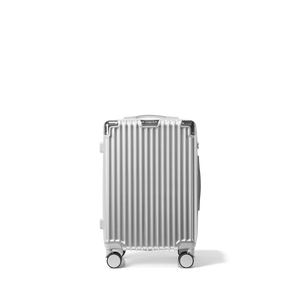
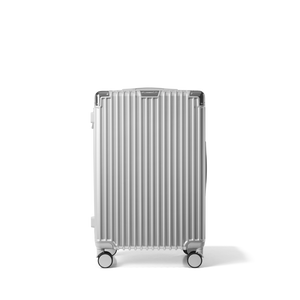
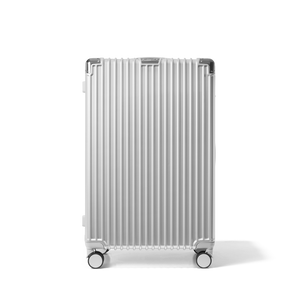
Our hard-shell suitcases have a built-in TSA lock.