Flying with a Baby: Be Well Prepared for Your Trip
Flying with a baby is usually possible. However, airline approval and medical fitness are two different matters. First, check the travel requirements, and then make sure you have food and care supplies within easy reach. With these practical tips from Voyagoux , you’ll be well-prepared for your trip; a perfect sleep schedule while traveling isn’t necessary.
At what age can you safely take your baby with you?
The airline’s minimum age requirement does not indicate whether your baby is medically ready for the trip. About seven days is a common minimum, not a universal safety threshold. In cases of premature birth, recent illness, or health issues, individual medical advice is important; an airline may request a medical certificate. For international travel, the destination, available medical care, and vaccination recommendations also play a role. For long flights, there is no fixed age limit that guarantees medical safety for every baby.
Get your baby's travel documents ready
- Your baby needs their own valid travel document for international travel. Nationality, destination, and transit countries determine which document—and, if necessary, which visa—is required.
- When traveling with one parent or another guardian, consent and custody documents may be required, especially if the last names are different or if there are special custody arrangements.
- Official government information provides the current document requirements. When booking, use the personal information listed on your travel document.
Choose an appropriate ticket and a safe seat
Your baby doesn't automatically fly for free: fares and fees vary by airline, route, and booking method.
| Choice | Usage | Preparation and Limits |
|---|---|---|
| On my lap | With the counselor, without a seat of their own | Carry-on baby items; secure them according to the crew's instructions |
| Your own car seat with a child seat | A personal, properly secured seat | Reserve a seat; use a seat that has the required approval and follow the seating rules |
| Crib | Resting spot during quiet phases of flight | Request in advance; limited availability and subject to height and weight restrictions; not for takeoff, landing, or turbulence |
A seat by the aisle or a changing table makes caring for a baby easier. Seats near emergency exits are not available. For one adult traveling with multiple babies, airline-specific rules apply regarding accompanying adults and individual seats.
Choose a flight that suits your baby's stage of development
Choose a day or night flight based on your usual sleep schedule; a night flight doesn’t automatically mean you’ll sleep. Flying nonstop, allowing plenty of time between connections, and staying calm around departure time help reduce stress. There’s no single age that’s universally the most challenging: young babies require intensive care, while older babies need more movement and distraction. Keep sleep routines familiar but flexible. A deviation from the usual schedule doesn’t mean the flight was a failure.
Check what carry-on luggage you're allowed to bring
A baby without their own seat is not automatically allowed a separate carry-on bag. Quantities, dimensions, and weight limits depend on your airline and fare class. Be sure to read the 2026 carry-on baggage rules before departure so you don’t run into any surprises. Keep care items in a permitted personal item under the seat; larger carry-on bags go in the overhead compartment. Consider using under-seat bags to keep essentials within reach. Permitted dimensions vary by flight.
Checklist: Keep Care Items and Distractions Within Reach
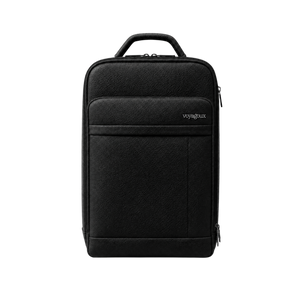
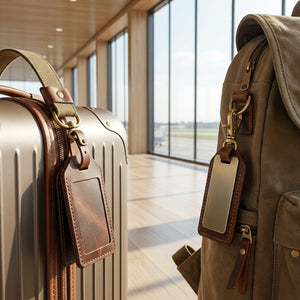
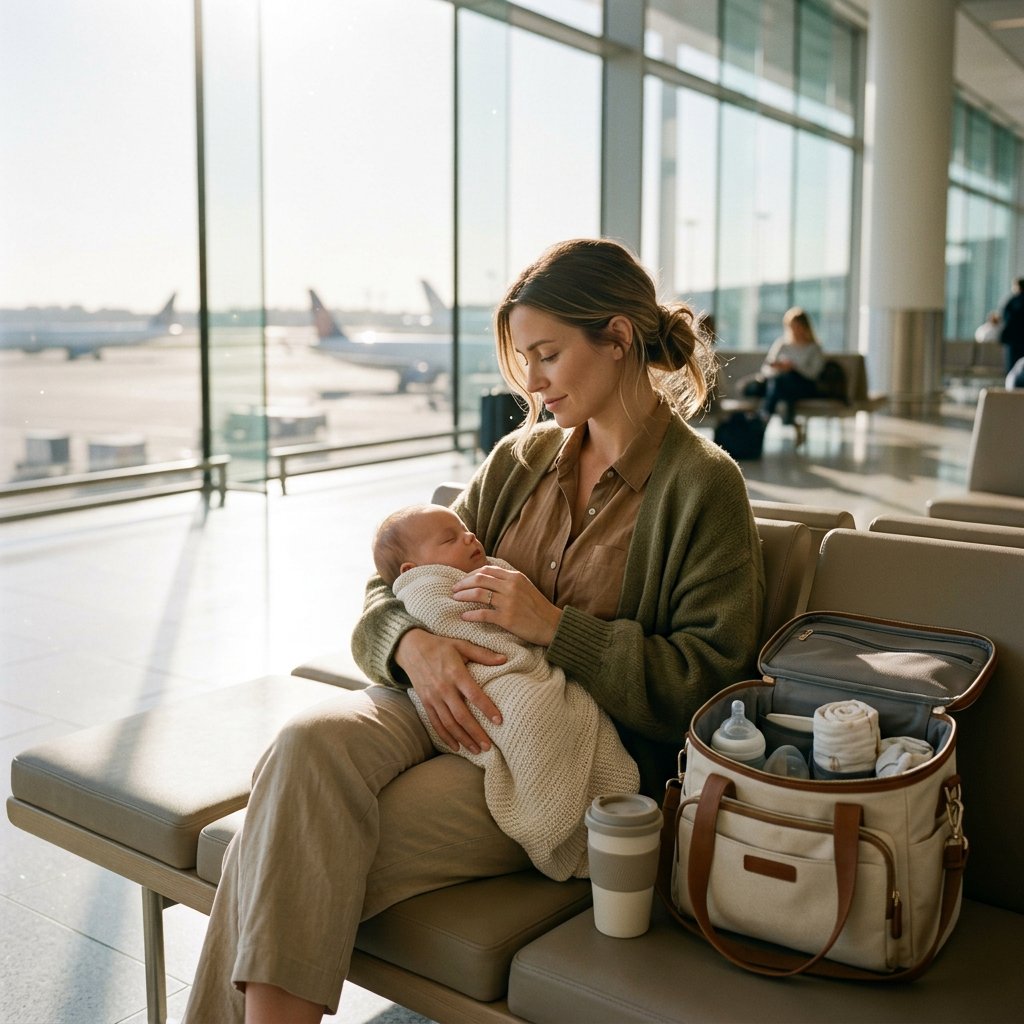
With backpacks designed for the plane (carry-on luggage), you can conveniently organize your belongings by flight phase.
- Diapers, baby wipes, and muslin cloths, with extra supplies in case of delays.
- Spare clothes for your baby and yourself: even a leaky diaper or a spilled bottle takes up space in your bag.
- Essential medications and personal care items. Additional travel documents are required for certain medications.
- Layered clothing and a familiar blanket to help them adjust to temperature changes.
- A stuffed animal or a small, quiet toy that's age-appropriate.
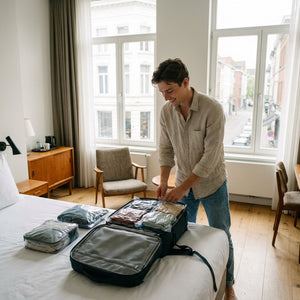
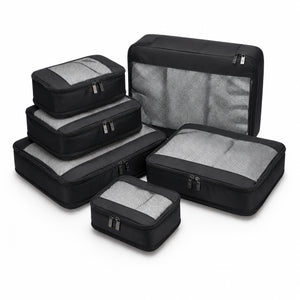
- A separate diaper-changing kit, organized with packing cubes if desired. Use the designated diaper-changing facilities on board.
Can you bring milk and baby food on the plane?
Yes, breast milk, formula, and baby food are generally allowed. There are exceptions for liquid food and water needed for preparation during the trip; check the rules for liquids in your carry-on luggage. Powdered milk is not considered a liquid. The rules at your departure and connecting airports determine the permitted quantities and screening procedures. Pack food separately and keep it accessible in case of additional screening. A security exemption does not automatically entitle you to an extra bag or additional baggage weight.
Here's how to arrange meals during the flight
When breastfeeding or bottle-feeding, follow your usual feeding routine, making sure to have enough supplies on hand in case of delays. Prepare and store food hygienically according to the product instructions, including the specified temperature and mixing ratio. Do not dilute formula further, and do not routinely give young babies extra water. Assistance with warming or preparing food and available water temperatures vary by flight; keep your feeding schedule independent of these factors.
Taking Your Baby from the Check-In Counter to the Gate
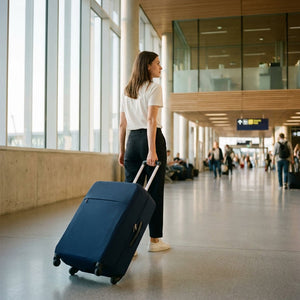
Allow time for check-in, security screening, and taking care of your baby. Family lines and priority boarding depend on the airport and airline. Placing a carry-on bag on top of your suitcase allows for quick access to baby items during boarding and throughout the flight. At the security checkpoint, you may need to remove your baby from the baby carrier or stroller; follow the security instructions. The airline determines any stroller fees, drop-off at the counter or gate, and pickup at the gate or baggage carousel. Separate requirements apply to compact strollers carried in the cabin; transporting them in the cargo hold is slightly different. A baby carrier comes in handy when the stroller is temporarily out of the picture.
Here's how to help your baby with ear pressure during a flight
Swallowing can help equalize pressure differences, especially during descent. These differences cause discomfort because the pressure in the middle ear has to adjust. Your baby isn't yet able to consciously regulate this.
Breastfeeding, bottle-feeding, or using a pacifier can provide relief through swallowing, as long as it complies with the crew’s safety instructions. It does not guarantee relief from ear pain. In the case of an ear infection, a severe cold, or persistent pain, it is important to consult a doctor beforehand to determine whether flying is safe.
Help Your Baby Get Back into a Routine After Landing
A long trip and the time difference can temporarily affect sleep, eating, and mood. Restlessness isn’t necessarily jet lag—fatigue and new experiences also play a role. Let your baby gradually adjust to local day and night schedules with natural light, familiar care routines, and plenty of rest. Don’t force sleep, and don’t delay necessary feedings. Set aside some time on the first day for both of you to adjust.
Good to Know
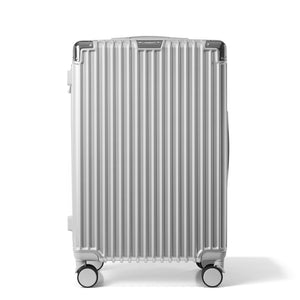
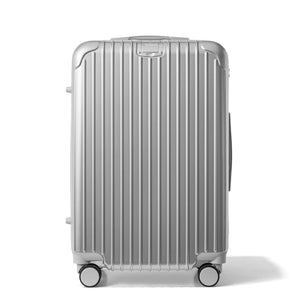
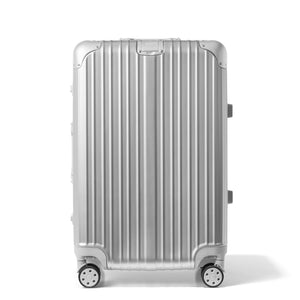
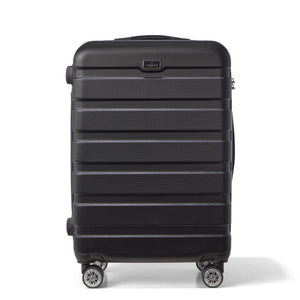
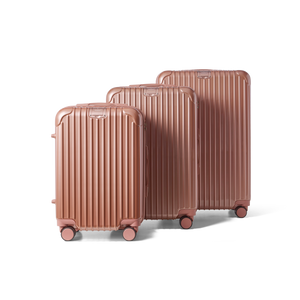
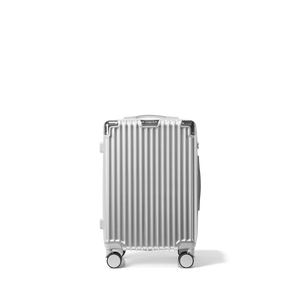
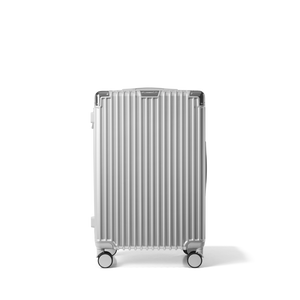
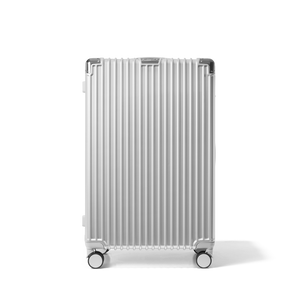
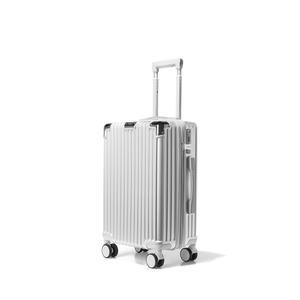
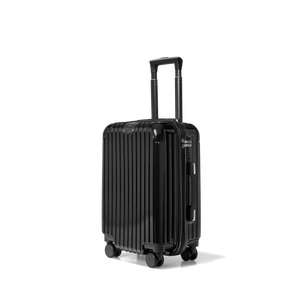
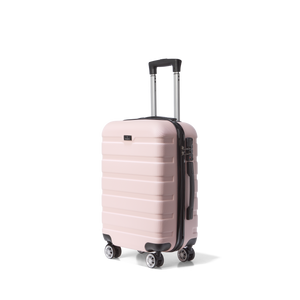
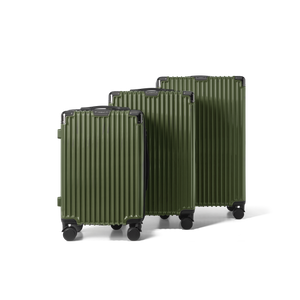
Our hard-shell suitcases have a built-in TSA lock.